


Biotreatment Soil Mix (Bioretention & Bioswale Soil Media)
Engineered soil media for bioswales, bioretention systems, and stormwater treatment applications—designed for controlled infiltration, pollutant removal, and long-term plant health.
What Is Biotreatment Soil Mix
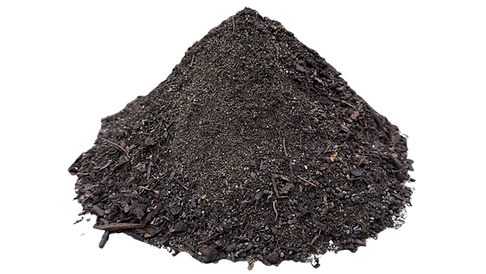
It is a purpose-built stormwater treatment media engineered specifically for bioswales, bioretention systems, and LID facilities where predictable infiltration, pollutant capture, and healthy vegetation are critical to performance and regulatory compliance.
This material is not blended like landscape soil. It is produced to controlled volumetric ratios using washed sand and stabilized organic compost, resulting in a uniform media that supports:
-
Consistent hydraulic behavior
-
Long-term infiltration without clogging
-
Nutrient balance for plant establishment
-
Pollutant attenuation through filtration and biological activity
It is commonly specified on municipal, commercial, and civil projects where stormwater treatment is required by code or permit.
What It’s Used For
-
Bioswales and vegetated swales
-
Bioretention planters and curb extensions
-
Rain gardens and green streets
-
Stormwater tree wells
-
Low Impact Development (LID) systems
-
Flow-through and infiltration-based treatment areas

How Biotreatment Soil Mix Works
Biotreatment Soil Mix functions as a living filtration layer within stormwater treatment systems. Its performance is driven by a carefully balanced combination of physical structure, hydraulic conductivity, and biological activity—not by density or compaction.
1. Controlled Infiltration
The sand-dominant structure creates interconnected pore spaces that allow stormwater to move vertically through the media at a controlled rate, preventing surface ponding while avoiding rapid bypass that would reduce treatment effectiveness.
Unlike native soils or amended loams, this engineered blend is designed to:
-
Drain consistently across the full facility footprint
-
Resist clogging from fine sediments
-
Maintain infiltration performance over time
2. Pollutant Removal & Treatment
As stormwater passes through the soil profile, pollutants are removed through multiple mechanisms:
-
Physical filtration of suspended solids
-
Adsorption of metals and nutrients onto soil particles
-
Biological uptake by microbial communities and plant roots
-
Transformation and breakdown of hydrocarbons and organics
This multi-layered treatment approach is why biotreatment soil is required in many municipal standards.
3. Plant Support Without Compromise
Vegetation plays a critical role in bioswale performance. Biotreatment Soil Mix is engineered to:
-
Provide sufficient moisture retention for root development
-
Supply nutrients without excessive fertility
-
Support microbial activity essential to pollutant processing
The result is vigorous, stable plant growth without sacrificing infiltration capacity.
4. Long-Term Stability
Unlike soils with high fines or unstable organic content, this mix is designed to:
-
Minimize compaction under normal installation practices
-
Maintain structure during wet/dry cycles
-
Perform consistently across seasonal conditions
This stability is essential for stormwater facilities that must function reliably for decades.
Material Composition & Blend Design
Biotreatment Soil Mix is engineered using a strict, performance-driven blend design rather than a generic soil recipe. Each component is selected and proportioned to achieve the hydraulic, chemical, and biological characteristics required for stormwater treatment systems.
Blend Composition (By Volume)
Component & Proportion
Washed Sand 60–70%
Stabilized Organic Compost 30–40%
Typical Target Blend:
-
60% Sand
-
40% Compost
This ratio aligns with widely adopted bioretention and bioswale specifications and provides a proven balance between infiltration capacity and nutrient availability.
Sand Component (Structural Backbone)
The sand fraction provides the primary hydraulic framework of the mix.
Key characteristics:
-
Clean, washed, durable aggregate
-
Angular to sub-angular particles for structural stability
-
Non-plastic fines only
-
Low silt and clay content to prevent clogging
The sand gradation is controlled to ensure:
-
Consistent pore structure
-
Predictable drainage behavior
-
Resistance to compaction during installation
This allows stormwater to infiltrate evenly while maintaining sufficient contact time for treatment.
Compost Component (Biological Engine)
The compost fraction supplies the biological and chemical functionality of the soil mix.
Key characteristics:
-
Fully stabilized and mature organic material
-
Derived from clean, plant-based feedstocks
-
Free of biosolids, manure, and contaminated inputs
The compost is selected to:
-
Support microbial communities responsible for pollutant breakdown
-
Provide moderate nutrient availability for vegetation
-
Improve moisture retention without sealing pore spaces
Excessive organic content is avoided to prevent reduced infiltration or long-term settlement.
Uniform Blending Process
All components are homogenized under controlled conditions to minimize segregation and ensure consistent performance from load to load. This uniformity is critical for:
-
Predictable inspection outcomes
-
Reliable installation behavior
-
Long-term system performance
Hydraulic & Physical Performance Criteria
Biotreatment Soil Mix is engineered to meet the functional performance requirements of modern bioswale and bioretention systems, where both drainage capacity and treatment effectiveness must be balanced. The following criteria represent typical performance targets used by engineers, inspectors, and reviewing agencies.
Hydraulic Performance
Minimum Infiltration - Rate ≥ 5 inches/hour*
Hydraulic Conductivity Test Method - ASTM D2434 (Modified), when required
Drainage Behavior - Uniform vertical percolation
Surface Ponding - Minimized under design storm events
Physical Properties
Soil Texture - Engineered loam
Bulk Density (Dry) - 500–1100 lbs. /yd³
Moisture Content - 30–55% (of dry solids)
Saturation Percentage ~50%
Compaction Sensitivity - Low (under proper installation practices)
Performance Characteristics
-
Designed to drain efficiently without rapid bypass, allowing sufficient residence time for pollutant treatment
-
Maintains pore structure under repeated wet–dry cycles
-
Resists sealing and crusting caused by excessive fines
-
Supports plant establishment without sacrificing hydraulic performance
Unlike native soils or landscape blends, Biotreatment Soil Mix is formulated so that hydraulic behavior is predictable, repeatable, and compatible with long-term stormwater system operation.
Chemical Properties & Soil Chemistry
The chemical profile of Biotreatment Soil Mix is carefully controlled to support plant health, microbial activity, and pollutant treatment while avoiding conditions that can impair infiltration or cause long-term system failure. Excessive salts, unstable nutrients, or improper pH are common reasons bioswale systems are rejected or underperform—this mix is engineered to avoid those issues.
Chemical Performance Targets (Finished Mix)
pH 6.2 – 8.2
Electrical Conductivity (EC) ≤ 6.0 mmhos/cm
Total Dissolved Salts (TDS) < 2,000 ppm
Organic Matter (LOI) 4 – 8%
Cation Exchange Capacity (CEC) ≥ 10 meq/100g
Sodium Adsorption Ratio (SAR) < 6
Exchangeable Sodium Percent (ESP) < 10
Why These Parameters Matter
pH Control
Maintaining a neutral-to-slightly-alkaline pH range supports:
-
Broad plant species compatibility
-
Optimal microbial activity
-
Stable nutrient availability
Salinity & Electrical Conductivity
Excessive salts are a leading cause of:
-
Plant stress and failure
-
Reduced microbial activity
-
Long-term infiltration decline
The EC and TDS limits ensure the soil remains suitable for sensitive vegetation and stormwater reuse applications.
Organic Matter Balance
Organic matter is intentionally limited to avoid:
-
Excessive water retention
-
Pore space collapse
-
Reduced infiltration rates
The result is a soil that behaves consistently under both wet and dry conditions.
Sodium Control (SAR & ESP)
Low sodium levels help prevent:
-
Soil dispersion
-
Loss of structure
-
Reduced permeability over time
This is especially important in urban stormwater systems exposed to deicing salts, irrigation water, or recycled water sources.
Long-Term Chemical Stability
Biotreatment Soil Mix is formulated to maintain chemical stability over the service life of the facility, reducing the likelihood of:
-
Nutrient leaching
-
Soil crusting
-
Plant decline due to salt buildup
Sand Component Specifications (Gradation & Cleanliness)

The sand fraction is the structural and hydraulic backbone of Biotreatment Soil Mix. Its gradation and cleanliness directly control infiltration performance, resistance to clogging, and long-term stability of the stormwater facility.
Sand Quality Requirements
The sand used in Biotreatment Soil Mix meets the following criteria:
-
Clean, washed, durable aggregate
-
Free of clay coatings, organics, wood, roots, or deleterious materials
-
Non-plastic fines only
-
No rounded river sand or manufactured fines that reduce pore connectivity
These requirements ensure the sand maintains open pore structure while resisting migration of fines during storm events.
Sand Gradation Requirements
(ASTM D422 or equivalent sieve analysis)
3/8" - 100%
No. 4 90–100%
No. 8 70–100%
No. 16 40–95%
No. 30 15–70%
No. 40/50 5-55%
No. 100 0-15%
No. 200 0-5%
Why This Gradation Matters
This gradation envelope is engineered to:
-
Promote uniform vertical infiltration
-
Prevent fine-particle sealing at the surface
-
Maintain permeability under sediment loading
-
Reduce long-term maintenance and media replacement
Sand that falls outside this envelope—especially material with excessive fines—often leads to:
-
Surface crusting
-
Standing water
-
Failed inspections
-
Premature system replacement
Acceptance & Quality Control
-
Gradation compliance is verified through laboratory testing when required
-
Sand is inspected for cleanliness prior to blending
-
Materials not meeting gradation or cleanliness criteria are rejected
Compost Component Specifications (Stability, Maturity & Safety)

The compost fraction of Biotreatment Soil Mix functions as the biological engine of the system. Its quality directly affects pollutant treatment, plant health, and long-term infiltration performance. For this reason, compost used in this mix is subject to strict maturity, stability, and safety criteria.
Compost Certification & Feedstock Controls
-
Compost is OMRI & CDFA-certified
-
Feedstocks are limited to:
-
Clean green waste
-
Yard trimmings
-
Agricultural plant residues
-
-
Prohibited materials include:
-
Biosolids or sewage sludge
-
Manure-based feedstocks
-
Post-consumer or post-industrial wood
-
Contaminated organic waste
-
These controls reduce the risk of heavy metals, salts, pathogens, and unstable organic matter entering the stormwater system.
Compost Physical & Chemical Requirements
Organic Matter 35–75% (dry weight)
Carbon-to-Nitrogen Ratio (C:N) 15:1 – 25:1
pH 6.0 – 8.5
Electrical Conductivity (EC) ≤ 6.0 mmhos/cm
Moisture Content 30–55%
Inert Materials < 1% by weight
Stability & Maturity Criteria
Only fully stabilized compost is used to prevent oxygen depletion, odor issues, and infiltration loss after installation.
Compost must meet one or more of the following maturity indicators:
-
Respiration Test: < 8 mg CO₂-C/g OM/day
-
Solvita Maturity Index: ≥ 5
-
Equivalent laboratory-approved stability testing
Compost exhibiting sour odors, excessive heat, or visible undecomposed material is rejected.
Toxicity & Plant Response
To ensure compatibility with sensitive vegetation and microbial communities:
-
Seed Germination: ≥ 80% of control
-
Plant Growth Trials: ≥ 80% of control
-
Ammonium-N: < 500 ppm (dry basis)
These thresholds confirm the compost is non-toxic and biologically stable.
Pathogen Reduction & Environmental Safety
-
Processed in compliance with Process to Further Reduce Pathogens (PFRP) standards
-
Salmonella: < 3 MPN per 4 g total solids
-
Meets EPA 40 CFR Part 503 limits for trace metals
This ensures the material is safe for use in public-facing stormwater infrastructure.
Installation & Handling Guidelines
Proper installation is essential to achieving the intended performance of Biotreatment Soil Mix. Even a correctly engineered media can fail if it is mishandled, over-compacted, or contaminated during construction. The following guidelines reflect best practices commonly required by municipalities and project inspectors.
Pre-Installation Requirements
-
Subgrade must be properly prepared, uncompacted, and free of standing water
-
All upstream areas draining to the facility should be stabilized prior to placement
-
Prevent sediment-laden runoff from entering the biotreatment area before installation
-
Do not install during or immediately following heavy precipitation events
Material Handling & Placement
-
Protect material from contamination during transport and staging
-
Do not stockpile directly on native soil without separation
-
Avoid mixing with adjacent soils or construction debris
-
Place material gently to minimize segregation and compaction
Placement & Consolidation
-
Place soil in loose lifts, typically not exceeding 9 inches
-
Light consolidation only using:
-
Foot traffic
-
Hand tamping
-
Walk-behind rollers (low pressure)
-
Do not use mechanical compaction equipment.
Excessive compaction reduces pore space, lowers infiltration rates, and is a common cause of inspection failure.
Moisture Conditions
-
Do not place when soil is saturated or excessively wet
-
Avoid placement if free water is visible in the excavation
-
Light moistening may be used only to improve workability—not compaction
Protection After Placement
-
Prevent construction traffic within the biotreatment area
-
Protect installed media from sediment contamination
-
Delay activation of inlets until surrounding areas are stabilized
Inspection & Acceptance
Final acceptance is typically based on:
-
Visual uniformity
-
Proper installation depth
-
Absence of contamination or over-compaction
-
Compliance with project specifications
Any material that becomes contaminated or improperly compacted may require removal and replacement at the contractor’s expense.
Quality Control, Submittals & Documentation
Biotreatment Soil Mix is produced and delivered under a quality-control framework intended to support smooth project approvals, successful inspections, and long-term system performance. Documentation is available to meet typical municipal and engineering submittal requirements.
Quality Control Program
-
Materials are blended to controlled volumetric ratios
-
Inputs are reviewed for compliance prior to blending
-
Finished mix is visually inspected for uniformity and contamination
-
Loads are managed to minimize segregation during transport
Quality control measures are designed to ensure consistent performance from batch to batch, particularly on phased or multi-load projects.
Available Submittals (Upon Request)
The following documentation can be provided for project approval or inspection purposes:
-
Sand gradation analysis (ASTM D422 or equivalent)
-
Compost laboratory analysis (STA or equivalent certification)
-
Mix certification statement confirming compliance with published specifications
-
Permeability / hydraulic conductivity test results (project-specific, when required)
-
Batch delivery certification identifying product type and quantity
Project-Specific Testing
Some jurisdictions or engineers may require additional testing based on site conditions or permit requirements. When requested in advance, project-specific testing may include:
-
Modified ASTM D2434 permeability testing
-
Supplemental chemical analysis
-
Confirmation sampling prior to installation
Testing scope and timing should be coordinated before delivery to avoid delays.
Ordering Information, Use Limitations & Legal Disclaimer
Ordering Information
Biotreatment Soil Mix is available for bulk delivery to residential, commercial, and municipal project sites.
Ordering Notes:
-
Sold by the cubic yard
-
Minimum quantities may apply depending on delivery location
-
Advance notice is recommended for large or phased projects
-
Project specifications should be reviewed prior to ordering
Customers are encouraged to consult with their project engineer or jurisdictional reviewer to confirm suitability before purchase.
Use Limitations
Biotreatment Soil Mix is intended only for stormwater treatment applications and related green infrastructure systems.
This product is not intended for:
-
Structural fill or load-bearing applications
-
Building pads or foundations
-
Turf-only installations
-
Areas subject to heavy vehicular loading
-
Applications requiring clay-rich or fine-textured soils
Performance depends on proper design, installation, and maintenance. Use outside the intended scope may result in reduced effectiveness or system failure.
Material Variability Notice
Biotreatment Soil Mix is composed of naturally occurring materials. As a result:
-
Minor variation in color, texture, or moisture content may occur
-
Some separation may happen during transport
-
Material is guaranteed at the point of production, not at the jobsite
These variations do not affect compliance with published specifications.
Legal Disclaimer & Limitation of Liability
All materials are provided as is, with no warranties—express or implied—including, but not limited to, warranties of merchantability or fitness for a particular purpose. North Bay Materials makes no guarantees that this product will meet the requirements of any specific project, permit, or jurisdiction. Final approval is the responsibility of the buyer, engineer, or governing authority. To the fullest extent permitted by law, North Bay Materials and its suppliers shall not be liable for any direct, indirect, incidental, special, or consequential damages arising from the use or installation of this material, including but not limited to loss of profits, project delays, or rework costs. By purchasing or using this product, the buyer acknowledges and accepts these limitations.
FAQs - Biotreatment Soil Mix
1) What is Biotreatment Soil Mix?
Biotreatment Soil Mix is an engineered stormwater soil media used in bioswales, bioretention planters, rain gardens, and LID systems. It’s designed for controlled infiltration, pollutant filtration, and long-term vegetation support—unlike landscape soil blends, which can vary and clog.
2) Is Biotreatment Soil Mix the same as Bioretention Soil Media or Bioswale Soil Media?
Yes. These terms are often used interchangeably by engineers, municipalities, and contractors:
-
Biotreatment Soil Mix
-
Bioretention Soil Media (BSM)
-
Bioswale Soil Media / Bioswale Soil Mix
The key is that it’s a performance-based engineered media, not standard topsoil.
3) What is Biotreatment Soil Mix made of?
This mix is produced to controlled volumetric ratios using:
-
Washed sand (typically 60–70%)
-
Stabilized organic compost (typically 30–40%)
A common target blend is 60% sand / 40% compost, balancing infiltration performance with plant-supporting biology.
4) What infiltration rate does biotreatment soil typically meet?
Biotreatment Soil Mix is commonly designed to meet a minimum infiltration target of 5 inches per hour or greater, depending on project requirements and agency specs. Performance depends on proper installation, protection from sediment, and avoiding over-compaction.
5) What projects use Biotreatment Soil Mix?
Typical applications include:
-
Bioswales and vegetated swales
-
Bioretention planters, curb extensions, and green streets
-
Rain gardens and infiltration-based treatment areas
-
Stormwater tree wells
-
Low Impact Development (LID) systems
-
Municipal / commercial stormwater compliance projects
6) What can cause bioretention soil to fail inspection?
The most common causes are:
-
Too many fines / dirty sand (surface crusting, ponding)
-
Over-compaction (reduced pore space, low infiltration)
-
Sediment contamination before/after placement
-
Installing when saturated/wet, or allowing construction traffic on the media
7) Do you provide submittals or documentation for approval?
Yes—documentation can be provided upon request depending on project needs, such as:
-
Sand gradation analysis (ASTM D422 or equivalent)
-
Compost lab analysis (STA / certification-type documentation)
-
Mix certification statement
-
Permeability / hydraulic conductivity test results (when required and coordinated)
8) Is this product suitable for structural fill or building pads?
No. Biotreatment Soil Mix is intended for stormwater treatment and green infrastructure only. It is not intended for:
-
Structural fill or load-bearing applications
-
Building pads/foundations
-
Areas with heavy vehicular loading
-
Turf-only installations
-
Applications requiring clay-rich or fine-textured soils
9) Can the mix look different between loads?
Yes. Because it’s made from naturally occurring materials, minor variation in color, texture, and moisture can occur. Some separation can happen during transport, but these variations do not necessarily indicate a performance issue when handled and installed correctly.
10) Do you deliver Biotreatment Soil Mix outside the Bay Area?
Yes. Delivery is available from the Bay Area through Sacramento-area counties. Delivery fees vary based on distance and quantity, and full transfer loads may qualify for free delivery to many areas.


