


Rip Rap Rock (RSP) Delivery — Caltrans Rock Slope Protection
Our Rip Rap Rock (RSP) is a heavy, angular stone supplied to meet Caltrans Rock Slope Protection (RSP) specifications for erosion control, slope stabilization, and hydraulic protection. Sold by the ton and classified by individual rock weight, RSP is the preferred solution for creek banks, drainage channels, outfalls, levees, bridge abutments, and steep slopes where long-term stability is critical.
North Bay Materials delivers Caltrans-compliant rip rap—from backing rock to multi-ton boulders—directly to jobsites across Marin, Sonoma, Alameda, Contra Costa, San Francisco, and San Mateo counties, eliminating yard trips and keeping projects moving on schedule.
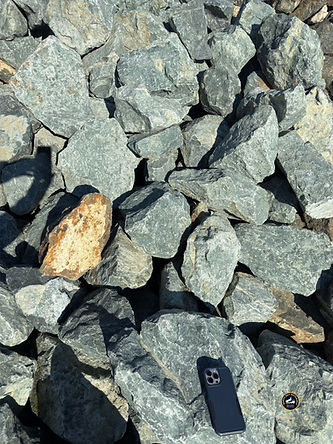

What Is Rip Rap & Rock Slope Protection (RSP)?
Rip Rap vs. Rock Slope Protection (RSP) — What Contractors Need to Know
Rip rap is a general term for large, angular rock used to control erosion.
Rock Slope Protection (RSP) is the engineered application of rip rap designed to meet hydraulic, structural, and environmental performance criteria.
For contractor-built infrastructure projects, the distinction matters.
Modern public works, DOT, and agency projects no longer accept “generic rip rap.” Instead, they require engineered RSP designed in accordance with FHWA Hydraulic Engineering Circular No. 23 (HEC-23) and adopted by Caltrans under the Highway Design Manual (HDM) Chapters 870 and 880.
What Makes RSP “Engineered” Rip Rap?
Rock Slope Protection is specified and evaluated based on:
-
Median particle size (D50)
-
Stone weight ranges (lbs to multi-ton units)
-
Gradation limits (D15, D50, D100)
-
Placement method (Method A or B)
-
Fabric class compatibility
-
Hydraulic performance under velocity, shear stress, and wave action
These parameters ensure long-term stability under:
-
High-flow storm events
-
Scour conditions
-
Channelized drainage
-
Riverbank and shoreline exposure
-
Bridge abutments and piers
Why Caltrans Updated RSP Standards
Following a Federal Highway Administration (FHWA) audit, Caltrans formally replaced the legacy California Bank and Shore (CaBS) methodology with HEC-23–based RSP gradations to improve consistency, performance, and constructability across projects.
Key benefits of the updated RSP standards include:
-
Nationwide consistency across state and federal contracts
-
Smaller cross-sections in some applications, reducing excavation and environmental impact
-
Alignment with FHWA, NCHRP, and Caltrans specifications
-
Improved performance in riverine, coastal, and stormwater systems
Where Engineered Rip Rap Is Commonly Used
Contractors typically specify RSP rip rap for:
-
Stream and river bank stabilization
-
Channel linings and outfalls
-
Bridge scour protection
-
Slope armor and embankments
-
Shoreline and coastal protection
-
Spillways and overflow channels
-
Guide banks and hydraulic control structures
If your plans reference “RSP Class,” “HEC-23,” “Section 72,” or “HDM 870/880”, you are dealing with engineered rip rap, not decorative or generic rock.
Contractor Tip
Material rejection on rip rap jobs almost always comes from incorrect sizing or gradation—not placement.
Verifying RSP class, stone weight range, and placement method before ordering prevents delays, re-handling, and inspection failures.
Caltrans RSP Classes & Weight Ranges
Rip Rap Rock (RSP) is specified under Caltrans Standard Specifications (Rock Slope Protection) and is classified by individual stone weight, not by nominal size. Selecting the correct RSP class is critical to resisting hydraulic forces, slope movement, and long-term erosion.
Commonly Specified RSP Classes
-
No. 2 Backing (≈10–100 lbs)
Used as bedding or backing beneath larger rip rap to prevent soil migration.
-
No. 1 Backing (≈30–200 lbs)
Transition layer supporting heavier RSP installations.
-
Light / Facing (≈50–500 lbs)
Suitable for low-energy channels and light slope protection.
-
¼-Ton RSP (≈100–700 lbs)
Common for creek banks, drainage channels, and embankments.
-
½-Ton RSP (≈200–1,000 lbs)
Used in moderate-energy flow areas and slope stabilization.
-
1-Ton RSP (≈500–2,000 lbs)
Designed for high-flow channels, outfalls, and erosion control zones.
-
2-Ton to 4-Ton RSP (≈1,000–8,000 lbs)
Specified for severe erosion, bridge scour protection, levees, and steep slopes.
-
8-Ton RSP (up to 16,000+ lbs)
Reserved for critical infrastructure and extreme hydraulic conditions.
Final RSP class selection should always be based on project plans, hydraulic calculations, and site conditions.
Where Contractors Use Rip Rap & Rock Slope Protection
Engineered rip rap and Rock Slope Protection (RSP) are specified wherever soil, slopes, or structures are exposed to moving water, velocity, or scour. Today’s Caltrans and agency standards require RSP designs that account for hydraulics, geomorphology, and long-term stability, not just rock size.
Stream & River Bank Stabilization
Rip rap is used to:
-
Prevent bank erosion during high-flow events
-
Stabilize natural channels and realigned streams
-
Protect adjacent infrastructure and utilities
RSP sizing is typically driven by flow velocity, shear stress, and channel geometry, with Classes III–VII commonly specified depending on exposure.
Drainage Channels & Outfalls
For:
-
Stormwater outfalls
-
Culvert outlets
-
Open channels and swales
RSP prevents undermining, head-cutting, and downstream erosion. Many plans reference HEC-23 sizing to ensure stability under peak discharge conditions.
Bridge Scour & Abutment Protection
Rip rap plays a critical role in:
-
Bridge pier protection
-
Abutments and wing walls
-
Guide banks and spurs
These applications often require larger RSP classes (VII–IX) placed using Method A for precise interlocking and resistance to high-energy flows.
Slope & Embankment Armor
Used on:
-
Roadway embankments
-
Cut slopes
-
Retaining slope systems
Proper RSP placement reduces surface erosion while allowing drainage and minimizing slope failure over time.
Shoreline & Coastal Protection
For:
-
Bays, estuaries, and inland lakes
-
Shoreline revetments
-
Wave-exposed embankments
Caltrans Chapter 880 extends RSP guidance to coastal and inland lake environments, accounting for wave action, storm surge, and long-term exposure.
Concreted-Rock Slope Protection (When Specified)
Some projects call for concreted-rock slope protection, where concrete is placed to a specified penetration depth between stones.
Minimum penetration varies by RSP class and must meet Section 72 requirements to pass inspection—another detail frequently missed without material familiarity.
Why Application Matters When Ordering Rip Rap
Each use case affects:
-
Required RSP class
-
Stone weight range
-
Placement method
-
Fabric class
-
Equipment and access planning
That’s why contractors working with North Bay Materials don’t just order “rock”—they get application-matched material that aligns with their plans and inspection criteria.
Contractor-Grade Rip Rap Delivery — Built for Real Job Sites
Ordering rip rap isn’t just about stone size — delivery logistics can make or break your schedule.
At North Bay Materials, we specialize in jobsite-ready rip rap and RSP delivery for contractors working on infrastructure, drainage, and erosion control projects. Our delivery model is built around access constraints, staging needs, and placement planning, not retail yard pickups.
What Contractors Need From Rip Rap Delivery
We design our delivery process to support:
-
Active construction zones
-
Tight access roads and urban sites
-
Staged placement for excavators and loaders
-
Slope and channel work with limited laydown
-
Coordination with inspectors and superintendents
Instead of forcing contractors to adapt to yard limitations, we adapt delivery to the jobsite.
Bulk & Project-Scale Rip Rap Supply
We supply rip rap and RSP materials for:
-
Small to mid-sized infrastructure projects
-
Multi-day erosion control installs
-
Phased slope protection work
-
Emergency erosion repairs
-
Agency and utility-driven scopes
Whether you need single-load delivery or sequenced loads matched to placement, we help plan material flow so crews stay productive.
Why Contractors Prefer Jobsite Delivery Over Yard Pickup
-
No wasted labor hours on hauling
-
Reduced equipment congestion
-
Controlled delivery timing
-
Safer handling of large stone
-
Better coordination with placement equipment
For larger RSP classes and heavier stone, jobsite delivery reduces risk, re-handling, and damage.
Delivery Planning That Prevents Delays
Before scheduling delivery, we help confirm:
-
Access width and turning radius
-
Ground conditions for loaded trucks
-
Placement method (A or B)
-
Equipment on site (excavator, loader, crane)
-
Safe dump or staging locations
This planning prevents:
-
Failed delivery attempts
-
Unsafe dumping conditions
-
Schedule disruptions
-
Material relocation costs
A Rip Rap Supplier That Understands Specifications, Not Just Stone
Most material suppliers sell rip rap as a commodity.
We treat it as an engineered construction material.
Contractors choose North Bay Materials because we understand how Rock Slope Protection (RSP) is designed, specified, delivered, and inspected under Caltrans and FHWA standards—and we help prevent costly mistakes before they happen.
Built Around Caltrans & FHWA Standards
We work daily with projects referencing:
-
Caltrans Section 72 – Rock Slope Protection
-
Highway Design Manual (HDM) Chapters 870 & 880
-
FHWA Hydraulic Engineering Circular No. 23 (HEC-23) gradations
-
Agency and utility erosion control requirements
That means we speak the same language as:
-
Project engineers
-
Inspectors
-
Estimators
-
Superintendents
No guessing. No “close enough.”
Spec-Matching Support Before You Order
Before material is loaded, we help contractors confirm:
-
Correct RSP class
-
Stone weight range and gradation
-
Placement method (A or B) feasibility
-
Fabric class compatibility
-
Delivery sequencing based on equipment and access
This avoids:
-
Material rejection
-
Failed inspections
-
Re-handling and double hauling
-
Schedule delays
Contractor-First Supply Model
-
No retail yard confusion
-
No decorative rock substitutions
-
No vague sizing descriptions
-
No last-minute surprises
We focus on construction-grade aggregates, supplied and delivered with jobsite realities in mind.
Reliable Communication & Scheduling
Contractors value:
-
Clear availability updates
-
Realistic delivery timelines
-
Direct communication
-
Fast response when conditions change
Our delivery-only model allows us to stay flexible, responsive, and focused on execution, not counter sales.
Trusted by Contractors Across the Bay Area
From erosion control repairs to full-scale slope protection installs, contractors rely on us for:
-
Rip rap
-
RSP boulders
-
Drain rock
-
Base rock
-
Supporting aggregates
All supplied with performance, compliance, and constructability in mind.
Why Buy Rip Rap from North Bay Materials
North Bay Materials specializes in bulk aggregate delivery, supplying Caltrans-compliant Rip Rap Rock (RSP) directly to jobsites—without the delays and limitations of traditional rock yards.
Contractor-Focused Supply
-
Sold by the ton, aligned with Caltrans RSP classifications
-
Backing rock through multi-ton boulder RSP available
-
Clean, angular, durable stone suitable for civil and private work
Delivery-Only Advantage
-
No yard visits or self-haul
-
Dump truck or end-dump delivery based on stone size
-
One material per load to prevent segregation
Local Expertise & Coverage
We deliver rip rap across:
-
Marin County
-
Sonoma County
-
Alameda County
-
Contra Costa County
-
San Francisco
-
San Mateo County
Our team understands local soil conditions, access constraints, and civil specifications, helping contractors and property owners select the right RSP class the first time.


Rip Rap Supply & Jobsite Delivery Across the Bay Area
North Bay Materials provides contractor-grade rip rap and Rock Slope Protection (RSP) supply with direct-to-jobsite delivery throughout the greater Bay Area.
Our service footprint is intentionally focused on regions with active civil, utility, drainage, and erosion-control construction, allowing us to support projects efficiently without overextending logistics.
Primary Service Coverage
We regularly supply rip rap and RSP materials to projects located in:
-
Marin County
-
Sonoma County
-
Alameda County
-
Contra Costa County
-
San Francisco
-
San Mateo County
This coverage supports a wide range of project types including:
-
Transportation infrastructure
-
Municipal drainage improvements
-
Utility trenching and outfalls
-
Creek and channel stabilization
-
Slope and embankment protection
-
Shoreline and coastal work
Built for Contractor Access & Scheduling
Our delivery model is optimized for:
-
Urban and suburban job sites
-
Narrow access roads
-
Residential-adjacent construction
-
Staged delivery for active placement
Rather than requiring contractors to haul material from distant yards, we bring spec-matched rip rap directly to the project, reducing downtime and improving crew efficiency.
Regional Knowledge Matters
Working within the Bay Area means understanding:
-
Variable soil conditions
-
Seasonal storm impacts
-
Tight inspection windows
-
Agency-driven material requirements
Our familiarity with local construction conditions and inspection expectations helps contractors avoid surprises during delivery and placement.
Serving Multiple Jurisdictions, One Standard
While jurisdictions vary, most public and private projects in the region rely on FHWA-based RSP guidance and Caltrans-aligned specifications.
That consistency allows us to support:
-
Public works contractors
-
Private civil contractors
-
Utilities and infrastructure firms
-
Environmental and restoration contractors
—all with the same engineered rip rap supply approach.
Get Rip Rap Pricing From a Contractor-Focused Supplier
When your plans call for rip rap or Rock Slope Protection (RSP), accuracy and timing matter. Ordering the wrong class, size, or delivery setup can delay inspections, disrupt crews, and increase costs.
North Bay Materials helps contractors move forward with confidence by supplying spec-matched rip rap aligned with Caltrans Section 72 and FHWA HEC-23 guidance, delivered directly to the jobsite.
What We Can Help With Immediately
-
Confirming RSP class from plans or notes
-
Matching stone size, weight, and gradation
-
Verifying placement method compatibility
-
Planning jobsite delivery and staging
-
Providing current availability and pricing
Whether you’re bidding, mobilizing, or responding to erosion damage, we help eliminate guesswork.
Who This Is For
This service is designed for:
-
Civil & grading contractors
-
Public works contractors
-
Utility contractors
-
Environmental & restoration firms
-
Drainage & stormwater contractors
-
Infrastructure & transportation crews
If your project references RSP, HEC-23, Section 72, or HDM 870/880, you’re in the right place.
Contractor FAQs — Rip Rap & Rock Slope Protection (RSP)
These are the most common technical and procurement questions we get from estimators, supers, and engineers sourcing rip rap for Caltrans and agency-aligned projects.
Q. What is the difference between rip rap and RSP?
Rip rap is a general term for large rock used to control erosion.
Rock Slope Protection (RSP) is rip rap that meets engineered sizing, gradation, and placement requirements defined by FHWA HEC-23 and adopted by Caltrans Section 72.
If your plans reference RSP classes, HEC-23, or HDM 870/880, generic rip rap is not acceptable.
Q. How do I know which RSP class my project requires?
RSP class is typically specified directly on:
-
Plan sheets
-
Erosion control details
-
Hydraulic calculations
-
Caltrans or agency standard notes
If only flow velocity or discharge is shown, RSP class is derived using HEC-23 design guidance. We can help interpret plan notes before you order.
Q. What is the most commonly used rip rap size?
On Northern California projects, the most commonly specified sizes are:
-
Class III–V for channels and embankments
-
Class VI–VII for slopes and drainage structures
-
Class VIII–IX for bridge scour and high-energy applications
Actual size depends on hydraulics, slope angle, and exposure.
Q. What does “placement method A or B” mean?
-
Method B: Smaller to medium stone placed conventionally
-
Method A: Large stone placed individually using excavators or cranes
Placement method affects equipment selection, delivery sequencing, and staging and must be considered before scheduling delivery.
Q. Does rip rap require geotextile fabric underneath?
In most Caltrans RSP applications, yes.
Fabric requirements are class-specific:
-
Fabric Class 8 → RSP Classes I–VIII
-
Fabric Class 10 → RSP Classes IX–XI
Incorrect fabric selection is a frequent inspection failure.
Q. Can rip rap be used for emergency erosion repairs?
Yes. Rip rap is commonly used for:
-
Storm damage response
-
Washouts
-
Slope failures
-
Outfall undermining
Q. Is your rip rap inspection-ready?
Yes. Our rip rap supply aligns with:
-
Caltrans Section 72 requirements
-
HEC-23 gradation concepts
-
HDM 870/880 guidance
We help contractors confirm compliance before delivery, reducing the risk of rejection.
Q. Do you deliver directly to construction sites?
Yes. We specialize in jobsite delivery, including:
-
Active construction zones
-
Tight access sites
-
Staged delivery for excavator placement
Delivery planning is coordinated with the contractor to avoid access or safety issues.